


One of the most common goals people set, especially at the beginning of the year, is to follow a diet. Whether the objective is better health, weight loss, muscle gain, or reducing body fat, nutrition often feels like the starting point.
The internet can be both helpful and confusing when it comes to choosing a diet. With so many options available, it’s easy to feel lost and unsure about what actually works. That’s why we created this guide: to help you understand some of the most popular dietary approaches and identify which one might suit you best.
That said, it’s essential to remember that individual guidance from a health professional is irreplaceable. A dietitian or nutritionist is the most qualified person to tailor a plan to your needs, helping you reach your goals safely, efficiently, sustainably, and most important: without compromising your health!
Low Carb Diet
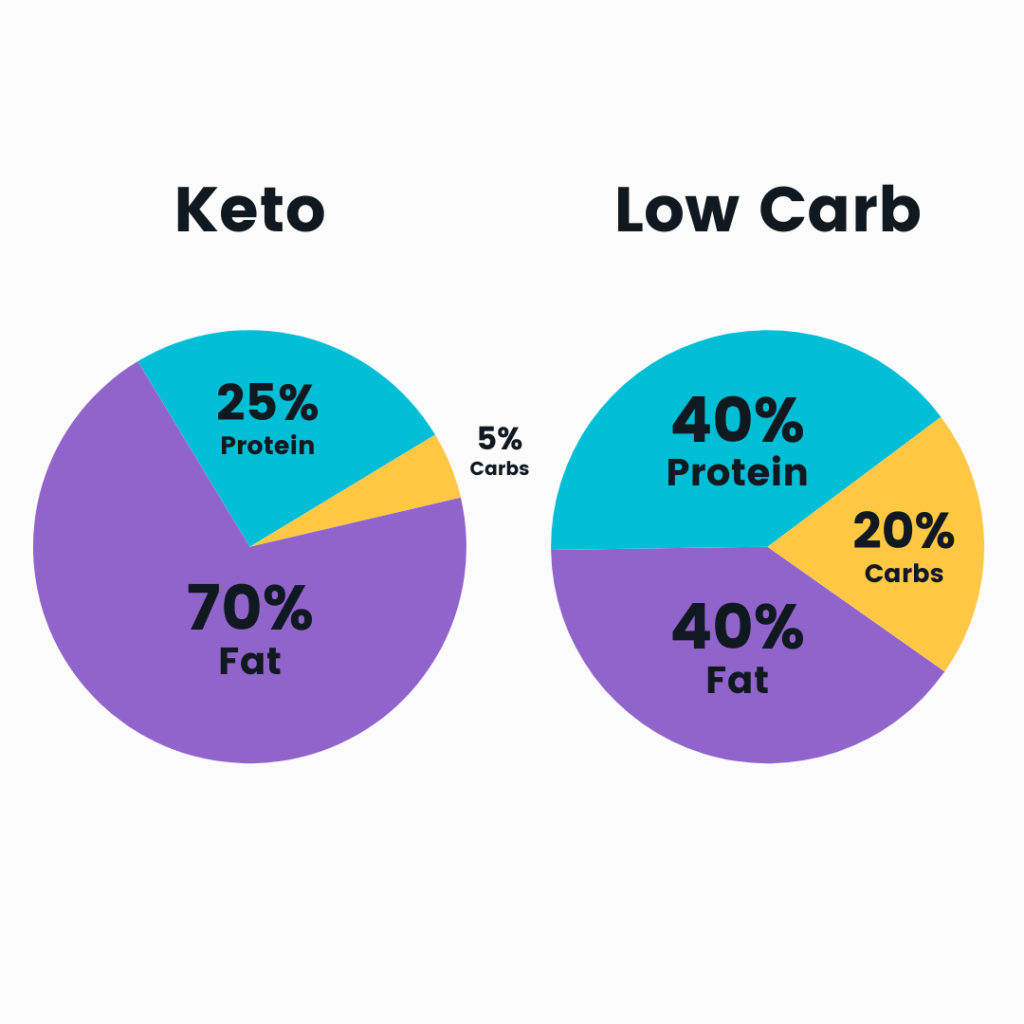
A low carb diet focuses on reducing carbohydrate intake while prioritizing protein and healthy fats. Unlike more restrictive approaches, low carb diets are flexible and do not require the complete elimination of carbohydrates. By lowering carb consumption, insulin levels may decrease, which can improve fat utilization and appetite control. However, entering ketosis is not the goal, and many people on a low carb diet continue to use glucose as their primary energy source. This approach is often easier to maintain long term and can support weight loss, metabolic health, and blood sugar control.
Who may benefit?
- People seeking sustainable weight loss
- Individuals with insulin resistance or type 2 diabetes
- Those who prefer flexibility rather than strict rules
Who should be cautious?
There are few contraindications, but people with existing medical conditions should always consult a healthcare professional to ensure macronutrient balance and nutrient adequacy.
Ketogenic (Keto) Diet
The ketogenic diet is a more restrictive form of a low carb diet, designed specifically to shift the body into a metabolic state called ketosis. In this approach, carbohydrate intake is typically limited to 20-50 grams per day, with a high intake of fats and moderate protein consumption. Once carbohydrate stores (glycogen) are depleted, the body begins producing ketone bodies, which become the primary source of energy. Because of its strict nature, the keto diet requires careful planning and is often followed for specific health or weight-loss goals rather than long-term flexibility.
Who may benefit?
- People looking for rapid fat loss
- Individuals with type 2 diabetes (under medical supervision)
- People with certain neurological conditions
Who should be cautious?
Due to its high fat content and restrictive nature, the ketogenic diet may not be appropriate for:
- People with high cholesterol or cardiovascular disease
- Individuals with a history of eating disorders
- Those who struggle with very restrictive eating patterns
Gluten-Free Diet
Gluten has become one of the biggest “villains” in modern nutrition, leading many people to remove it from their diets. However, gluten itself is not inherently harmful for most individuals. It’s true that gluten is commonly found in ultra processed foods, which should generally be limited. But the issue with these foods isn’t the gluten, but the refined sugars, low fiber content, additives, and poor nutritional value. There’s also a widespread belief that eliminating gluten leads to weight loss. In reality, people often lose weight because they stop eating calorie-dense processed foods, not because gluten was removed. Many gluten-containing foods can absolutely fit into a healthy diet, such as sourdough bread, fresh pasta, and whole grains.
Who may benefit?
- People with celiac disease
- Individuals with medically diagnosed gluten sensitivity
Who should avoid it?
There’s no harm in avoiding gluten, but for most people, it’s unnecessary and may eliminate foods they enjoy without providing real benefits.
Mediterranean Diet
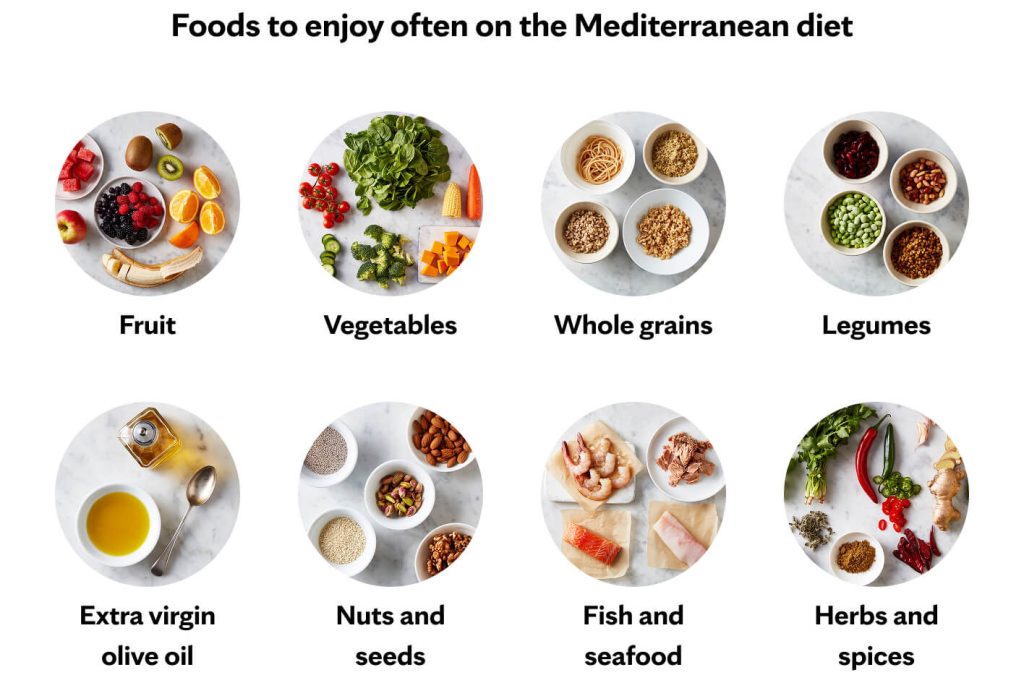
The Mediterranean diet has been popular for decades, and for good reason. It’s consistently ranked among the healthiest dietary patterns in the world. This approach emphasizes healthy fats (especially olive oil), whole grains, fruits and vegetables, legumes, and lean proteins such as fish and seafood (rich in omega-3s). One of its biggest strengths is the low consumption of ultra-processed foods and the focus on fresh, minimally processed ingredients. It’s associated with improved heart health, better blood sugar control, and overall longevity.
Who may benefit?
- People with diabetes
- Individuals with high blood pressure
- Those with elevated cholesterol levels
Who should avoid it?
No one. The Mediterranean diet is widely recommended by health professionals. A nutritionist can help adjust portion sizes to ensure calorie intake aligns with your specific goals.
Low FODMAP Diet
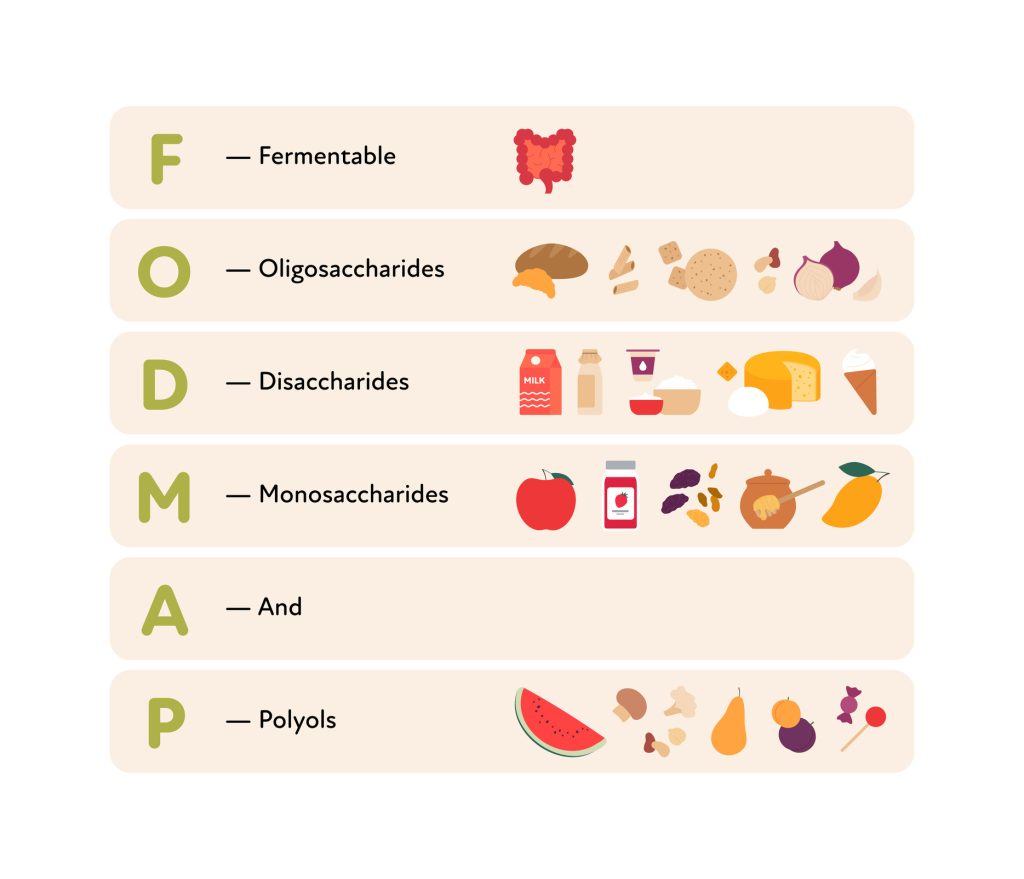
The Low FODMAP diet is a temporary and structured approach, not a lifelong eating plan. It consists of three phases: elimination, reintroduction, and personalization. In the first phase, foods high in FODMAPs (Fermentable Oligosaccharides, Disaccharides, Monosaccharides, and Polyols) are removed. These include certain legumes, fruits high in fructose, artificial sweeteners, lactose, and other fermentable carbohydrates. In the second phase, foods are slowly reintroduced, often while keeping a food diary to track symptoms. Finally, the diet is personalized, identifying which foods are well tolerated and which should be limited.
Who may benefit?
- People with IBS (Irritable Bowel Syndrome)
- Individuals suffering from bloating, gas, or constipation
Who should avoid it?
There are no strict contraindications, but it’s often unnecessary for those without digestive issues. It’s also not primarily a weight-loss diet, even though weight loss may occur due to reduced caloric intake.
Intermittent Fasting
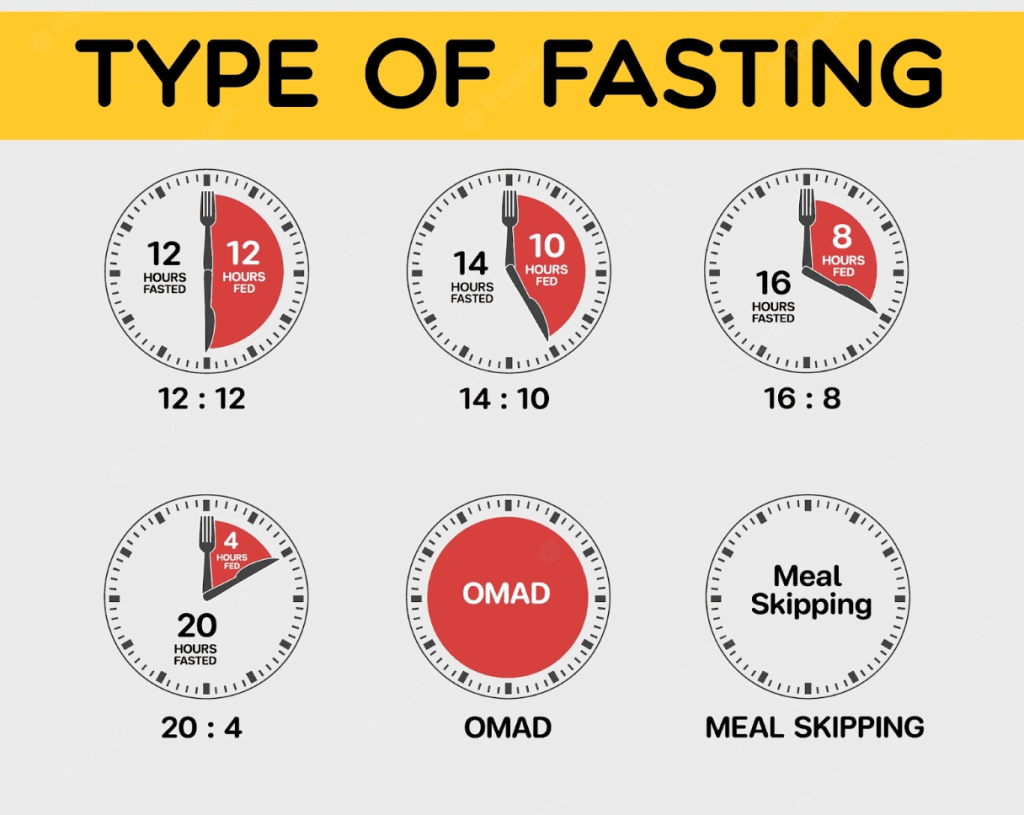
Intermittent fasting (IF) is less about what you eat and more about when you eat. It involves alternating periods of eating and fasting, with popular methods including 16:8 (16 hours fasting, 8 hours eating) or 14:10. During fasting periods, insulin levels decrease, which can improve fat utilization. Some people also find that intermittent fasting helps reduce overall calorie intake and improves their relationship with food. However, intermittent fasting is not superior by default. Its effectiveness depends on consistency, food quality, and individual lifestyle.
Who may benefit?
- People who prefer structured eating windows
- Individuals aiming for fat loss through calorie control
- Those seeking metabolic health improvements
Who should be cautious?
- People with a history of eating disorders
- Pregnant or breastfeeding women
- Individuals who experience dizziness, fatigue, or poor performance while fasting
Final Thoughts
There is no single “best” diet, only the one that works best for you, your lifestyle, preferences, and health needs. Sustainability, balance, and professional guidance are far more important than following trends.
At Fit Kitchen, we offer thoughtfully prepared meals that support a variety of dietary lifestyles, including low carb, gluten-free, Mediterranean-inspired, and balanced eating plans that can be adapted to intermittent fasting schedules. Our meals are designed with high quality ingredients, proper macronutrient balance, and flavor in mind, so you don’t have to choose between convenience and nutrition.
Whether your goal is weight loss, muscle gain, better digestion, or simply eating healthier on a daily basis, Fit Kitchen provides meal prep options to make your diet simpler, more enjoyable, and sustainable.