

Understanding Menopause and How Nutrition Can Support You

Throughout life, women go through many different phases. It begins in adolescence with the first menstrual cycle, bringing monthly hormonal fluctuations. In adulthood, many women experience pregnancy, which also involves significant hormonal changes.
Typically, in their 40s, women begin perimenopause, a transition phase that can last anywhere from four to ten years before menopause. Some women may begin experiencing changes in their late 30s. Perimenopause is marked by fluctuating and gradually declining estrogen levels, which can cause symptoms similar to those experienced during menopause.
Menopause is officially diagnosed when a woman has gone 12 consecutive months without a menstrual period. It marks the natural end of the reproductive years. During this time, the body significantly reduces the production of hormones such as estrogen and progesterone, which can lead to a variety of symptoms.
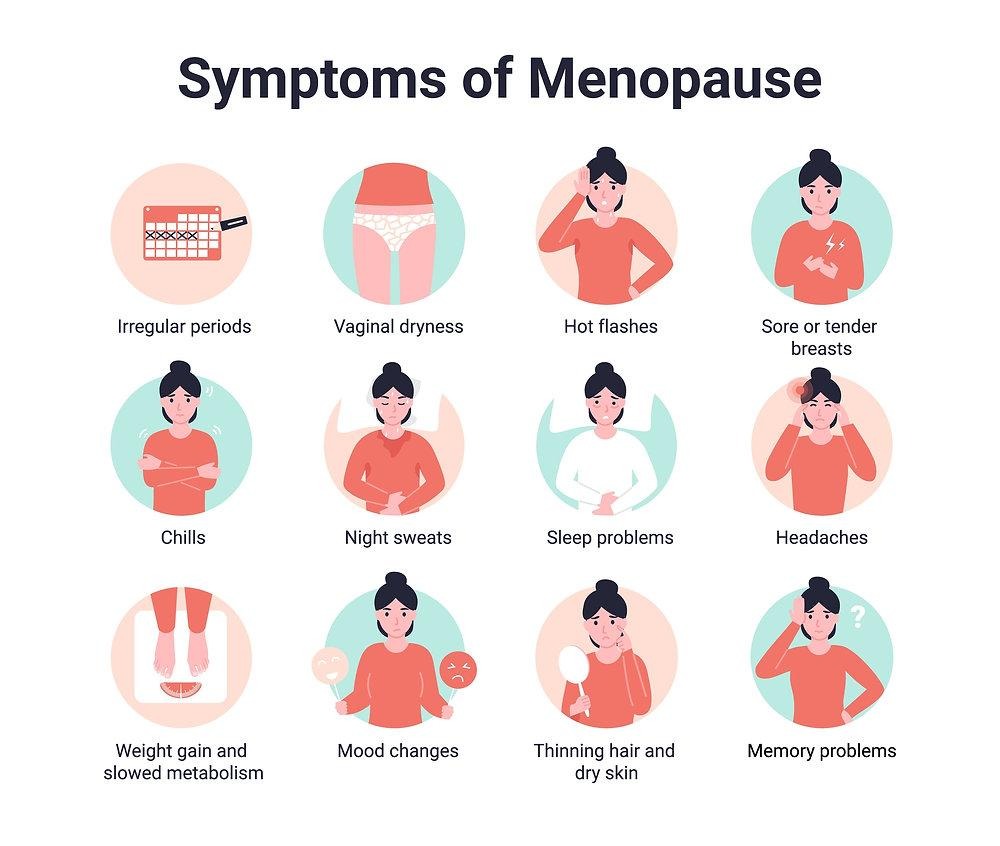
Common symptoms include:
- Hot flashes
- Night sweats
- Sleep disturbances
- Mood changes
- Vaginal dryness
- Thinner hair and more brittle nails
- Loss of bone density
- Changes in body composition
- Urinary urgency or frequency
One of the most common concerns women report is:
“I’m not eating more than usual. Why am I gaining weight, especially around my abdomen?”
This happens for several reasons.
As estrogen levels drop, body composition gradually changes. Many women notice more fat around the abdominal area, particularly deeper visceral fat. This happens because declining estrogen shifts the way the body stores fat, making it more likely to accumulate in the midsection. Worth noting, visceral fat is linked to higher risks of heart disease and other health issues.
You may have heard people say that metabolism shuts down during menopause. That is not exactly true. What happens is a gradual slowing of how many calories your body burns at rest, especially if you lose muscle. Muscle burns more energy than fat, even when you are not active. So the less muscle you have, the fewer calories your body naturally burns in a day.
This total amount of calories your body uses each day, including at rest, during movement, and to digest food, is called total daily energy expenditure. If it goes down, it can be easier to gain weight, even if you are eating the same as before.
Hormonal changes during and after menopause can also make your body a bit more resistant to insulin. This can make it easier to store fat and a bit harder to lose weight. That is why nutrition support for menopause is so important.
How to Navigate Menopause in a Healthy Way
While hormone replacement therapy may be appropriate for some women, lifestyle factors such as resistance training, regular physical activity, adequate protein intake, and a balanced diet are fundamental tools to support overall health during menopause.
Key nutrients to prioritize:
- Protein-rich foods support muscle maintenance, helping the body burn calories more efficiently. Adequate protein can make it easier to preserve muscle mass during menopause, which supports metabolism and total daily energy expenditure. Good sources include lean meats, fish, eggs, dairy, and legumes.
- Calcium-rich foods help support bone health and reduce the risk of bone loss: Milk, yogurt, fortified plant-based beverages, tofu set with calcium, sesame seeds
- Vitamin D is essential for calcium absorption, and supplementation may be necessary depending on blood levels and sun exposure.
- Omega-3 fatty acids have anti-inflammatory properties and support cardiovascular health: Fatty fish such as salmon and sardines, chia seeds, flaxseeds, walnuts
- Phytoestrogen-rich foods may provide mild estrogen-like activity and can help reduce the frequency of hot flashes in some women: Soy, tofu, tempeh, edamame, lentils and chickpeas
*It is important to note that these foods do not increase estrogen levels in the blood. Instead, they may gently stimulate estrogen receptors in the body.
Current research does not show that consuming whole soy foods increases the risk of breast cancer or negatively affects hormone levels in men. This is a common misconception and a topic we can explore in more detail in a future post.
- Antioxidant-rich foods help protect cells from oxidative stress and support overall health: Fruits and vegetables rich in vitamins A and C, nuts and seeds that provide vitamin E, and foods containing zinc and selenium such as Brazil nuts, lemon, peppers, orange, almonds, oysters
- Fiber-rich foods support digestive health, appetite regulation, and blood sugar balance: Oats, psyllium, chia seeds, flaxseeds, legumes, vegetables, and whole grains
Menopause can feel overwhelming, but it is a natural biological transition. With the right lifestyle strategies, women can maintain strength, metabolic health, and quality of life.

The female body is complex, resilient, and adaptable. Understanding these changes allows us to support it intentionally and proactively.
If you have questions or would like personalized guidance, contact us to book a consultation with our nutrition specialist, Giulia. She will create a meal plan tailored to your preferences and designed to support your health and longevity during every stage of life.